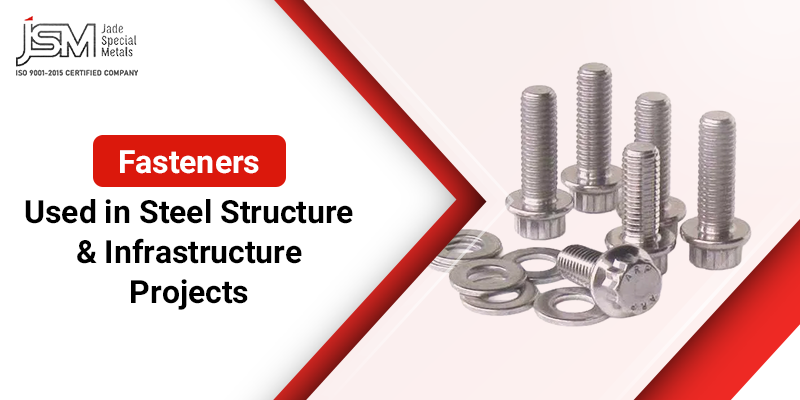
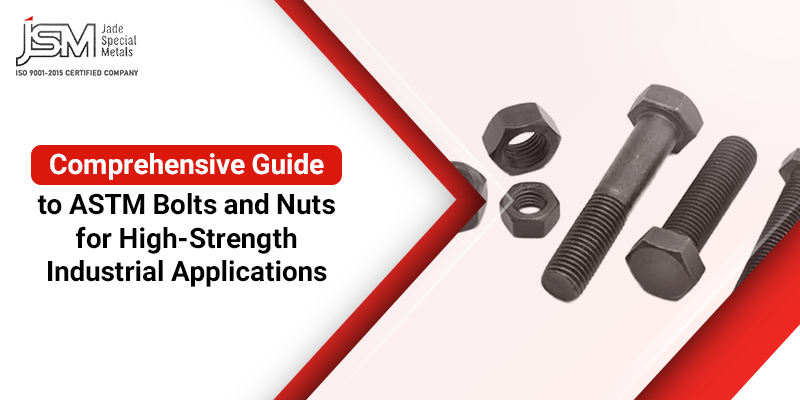
Fasteners used in industry construction and manufacturing are required not just to hold the parts together but also provide predictable performance and performance in harsh conditions. ASTM International (previously known as the American Society For Testing and Materials) publishes standards that are highly popular and which define the chemical composition, mechanical and dimensional properties of...
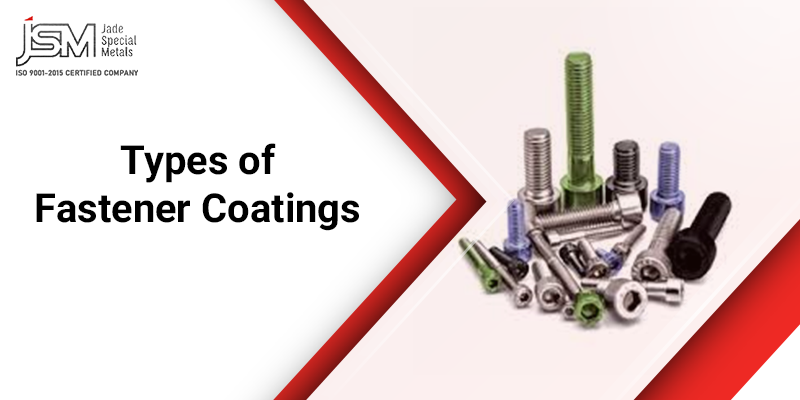
Fastener coating refers to the protective layer that is coated onto the bolts, screws, nuts, and any other fastening component to improve their performance and durability. When it is used on fasteners, this coating provides the fasteners with a protective coating resistant to corrosion, wear, and environmental degradation that keeps the fasteners strong and attractive...
Stud bolts are common in construction, mechanical systems, and industrial piping. They play a key role in clamping heavy components, valued for strength, a simple form factor, and quick assembly. A stud has no head; it’s threaded at both ends and typically works with two nuts to create a secure joint. Because of this configuration,...
One of the most essential and needed uses of various industries is screw and nuts. Be it a simple home construction or a complex machine construction, you are either working with wood, metal, or even some plastic material, the correct type of screw will give tremendous strength and longevity to your project. The market presents...
Heat exchangers are the workhorses of refineries, power plants and processing facilities. They rely on bundles of slender tubes to transfer heat between two streams of fluid. When one of those tubes springs a leak, it doesn’t just waste energy, it can contaminate products, corrode neighbouring tubes and force an unscheduled shutdown. Heat exchanger tube...
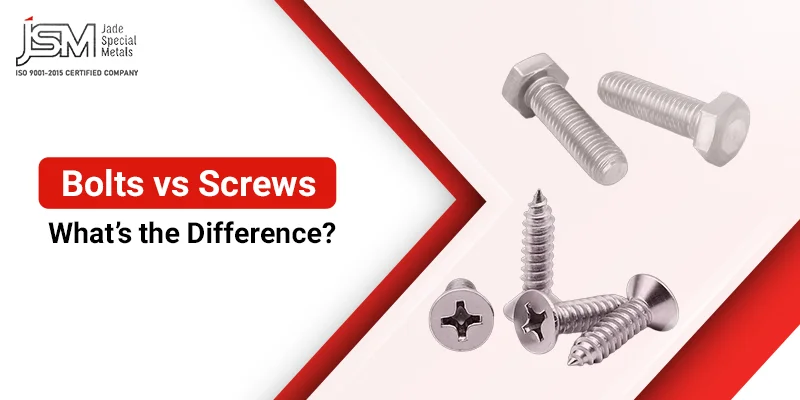
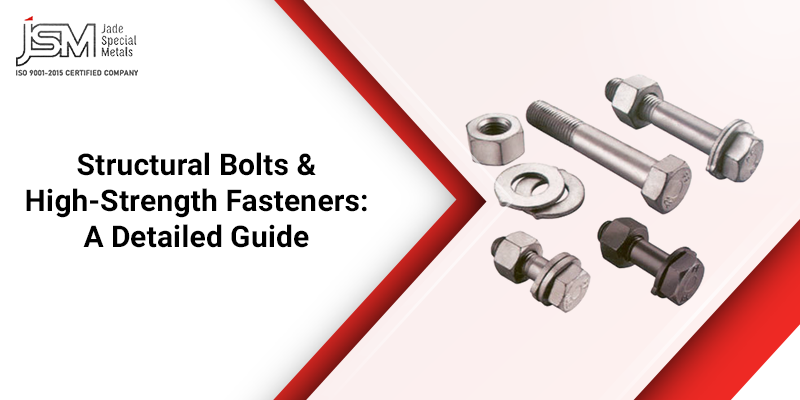
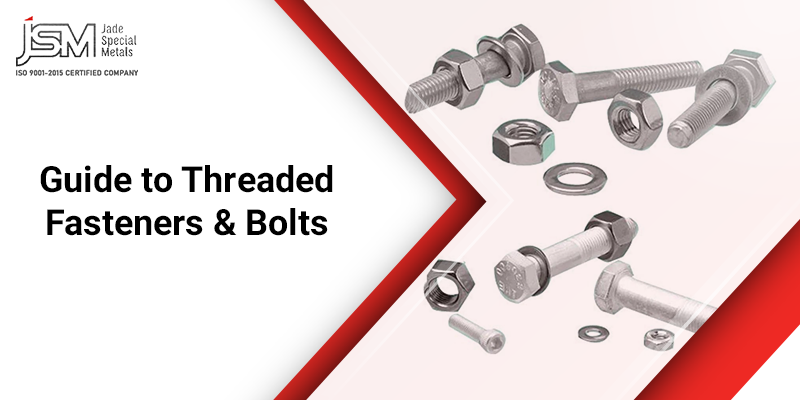
Bolts and nuts are the basic components of fasteners; however, many people confuse these components. Bolts have external male threads and are usually used with nuts which have internal female threads. When they are bolted together they pinch materials about the two ends and thus create a strong joint, preventing axial movement. The correct nut and...
Hastelloy alloys are known as high-performance, corrosion-resistant materials, commonly regarded as superalloys. The category includes over twenty specialized grades, each developed through a unique combination of secondary and tertiary alloying elements for use in specific applications. Their main distinction stems from their unique, even exceptional resistance to highly corrosive environments when they out-perform stainless steels....
ASTM A193 Grade B7 bolts and fasteners are globally utilized for the operations demanding high temperature throughout various industries. These fasteners are popular for their superior strength, longevity and resistance against corrosion. It is necessary to know their standards, applications, properties for guaranteeing excellent performance in complex industrial operations. Our comprehensive guide will demonstrate to...
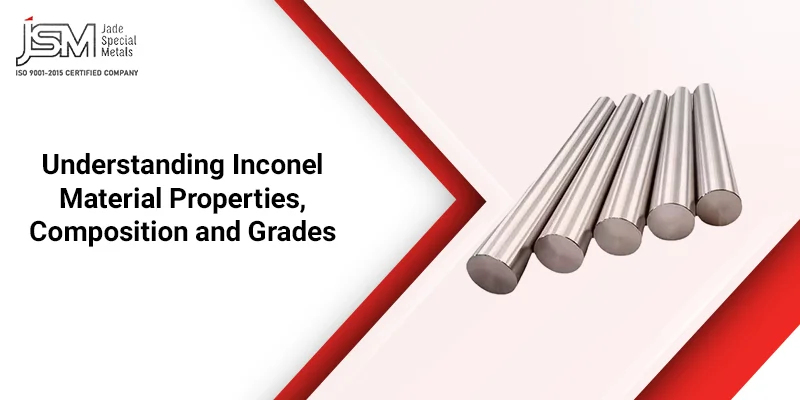
When you look at nickel alloys and superalloys, Inconel is usually the first name that comes up. It is one of the most widely used superalloys. If you plan to specify this alloy for your project, it’s important to understand how it behaves in service. This guide explains what Inconel is and gives a clear overview of its key...
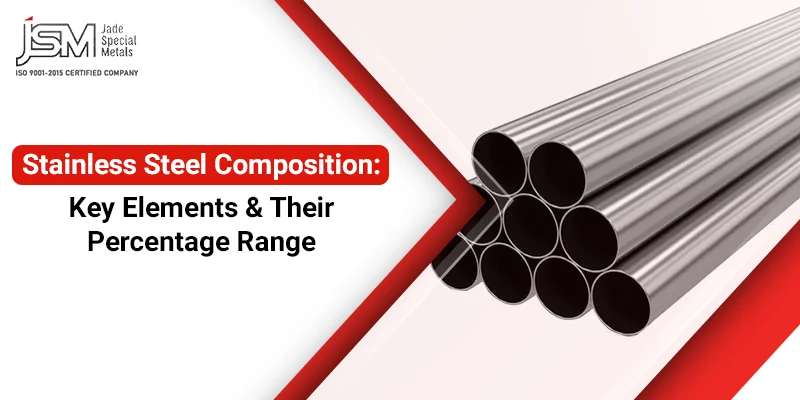
In modern manufacturing, the use of stainless steel began in 1913, when metallurgist Harry Brearley noted that by adding chromium to steel, it produced a metal that would ultimately develop a protective oxide layer on the surface. This alloy would resist corrosion, maintain its integrity and provide a lustrous appearance. Fast forward over 100 years...