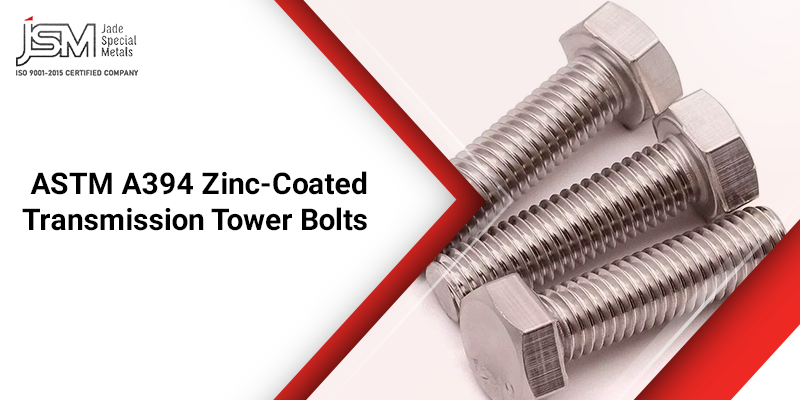
ASTM A394 bolts are specialized bolts that are capable of being used in transmission tower bolts in overhead power line structures. They are not just structural fasteners as are commonly used; they are designed to survive extended outdoor use in high-environment extreme conditions of both environment and mechanical forces. Wind loading, ice, vibration and dynamic electrical line stressing of transmission towers continue over decades of service life. Under these conditions, mechanical stability and corrosion resistance become design concerns and not just strength. That is the reason why transmission tower bolts are not typical structural bolts. ASTM A394 specification is developed to guarantee standard information like performance, zinc coating dependability, and durability in high temperature applications.
What Is ASTM A394?
ASTM A394 is a standard specifying the requirements of ASTM Standards that applied to transmission towers, substations, and other steel structures. It includes hexagon and square head bolts that are made of medium carbon steel and come in both zinc-coated and bare finishes that are determined by environmental factors. Structural connections in overhead power line systems are normally done with these bolts with a diameter of between 1/2 inch and 1 inch. This is regulated by ASTM Committee F16, but is typically applied with other related standards such as ASTM A563 nuts, ASTM F436 washers, and ASTM F2329 zinc coating. It guarantees stable operation and durability in outdoor and harsh environments.
Why Zinc Coating Matters in Transmission Tower Construction?
To prevent corrosion of transmission towers due to constant exposure to rain, dampness, pollution, coastal salt air and industrial conditions, zinc coated tower bolts are necessary. The conditions may quickly decadize bare steel and thus coating the steel is essential in achieving long service life. Hot dip galvanized tower bolts are used in preference to electroplated ones since they give a far more substantial zinc finish adhesive to the steel surface. This metallurgical bonding is used to provide superior resistance to abrasion and even in the harsh outdoor environment. Sacrificial protection is the key benefit of zinc coating as zinc is the first to corrode, not the underlying steel, and the structural life is greatly increased. This coating thickness, strength of adhesion and corrosion resistance combine to make zinc-coated bolts the best choice in transmission tower applications.
Types of ASTM A394
General Service Bolts
Type 0 A394 tower bolts are made from low to medium carbon steel and supplied with hot-dip zinc coating. They are typically applied in general transmission tower uses where a moderate level of strength and normal corrosion protection are adequate.
High-Strength Structural Bolts
Type 1 bolts are made of medium carbon steel, and are quenched and tempered to provide greater mechanical strength. These bolts too are hot-dip galvanized which means that they can be used in heavily loaded transmission structures and critical joints.
Weathering Steel Bolts
Type 3 bolts are made out of weathering steel and quenched and tempered to strengthen. They are available in bare (uncoated) form since the material itself offers atmospheric corrosion resistance, and is suitable in the open air with minimal maintenance needs.
Chemical Composition of ASTM A394
The chemical content of ASTM A394 bolts is to be such that the strength, ductility, and corrosion resistance is balanced, according to the type. The major constituent giving strength and hardness to all types is carbon. In Type 3, other alloying elements such as copper, chromium and nickel enhance atmospheric corrosion resistance and can be used in weathering applications without coating. Manganese is also incorporated to provide toughness and wear resistance, making certain of sound performance when used in structures. These regulated factors enable every type of bolt to comply with a certain service conditions in transmission towers.
Mechanical properties of ASTM A394
ASTM A394 bolts are designed to fulfill rigid mechanical standards to enable safe operation in the transmission tower structures. Each type will require a given tensile strength and hardness to support high structural loads depending on the bolt diameter (1/2 inch to 1 inch). Type 1 tends to be more tensile strength with quenching and tempering whereas Type 0 is the general load capacity. The shear strength is a critical parameter since tower bolts are not primarily in tension, but in lateral wind forces and vibrations along the lines. Extreme shear resistance makes sure that the steel to steel joints are stable in the changing loads so that they do not loosen or fail in their structures in the overhead transmission systems.
Nut and Washer Pairing Requirements
The correct choice of nuts and washers is essential to the safe working of the ASTM A394 bolts since each type of the bolts should be matched with the suitable parts to ensure the strength and durability of the joints. Type 0 bolts are normally made with ASTM A563 Grade A nut coated with zinc which guarantees fundamental strength and corrosion resistance on general applications. Zinc coated nuts, Grade DH, of higher strength A563, are needed to match Type 1 bolts in quenched and tempered mechanical properties. Bolts with weathering steel of type 3 are combined with A563 Grade DH3 nuts in plain finish to ensure compatibility with their uncoated corrosion-resistant design. In all forms, ASTM F436 washers tend to be employed to apply load uniformly and avoid damage to surfaces. Applying inappropriate nut grades may result in decreased clamping force, loss of shear resistance and lower integrity of transmission tower joints during dynamic forces.
How to Select ASTM A394 Bolts for Different Applications
General transmission tower applications with normal environmental conditions and moderate structural loads should use type 0 ASTM A394 bolts. These bolts are based on hot-dip zinc coating to prevent corrosion and can be used in non-critical connections where cost-effectiveness and simplicity in terms of durability are considered to be the most important factors.
Transmission tower joints with high tensile stress, heavy wind pressure and dynamic loading are best suited to Type 1 bolts. They are quenched and tempered, giving them greater mechanical strength and are favored in critical load-bearing connections in large tower structures.
Type 3 bolts are used in harsh conditions like the coastal areas and industrial or high-altitude areas where they are prone to corrosion. Their weathering steel material and no coating make them form an oxide layer that protects them and maintains their durability over time with little maintenance requirements.
Procurement Checklist For ASTM A394 Zinc-Coated Transmission Tower Bolts
Before you buy any tower load, you need to check some points and the procurement list. Some of the most important points related to the procurement list are given below.
- Indicate type of ASTM A394 (type 0, 1 or 3) depending on use.
- Check necessary bolt diameter and length (usually 1/2 to 1 inch)
- State requirement of coating like hot-dip galvanizing according to ASTM F2329.
- Choose proper nut grade (A563 Grade A, DH, or DH3)
- Install ASTM F436 washers to distribute the loads properly.
- Request Material Test Certificate (MTC) to quality and traceability.
- Check bolt head markings to identify grade and compliance with ASTM.
- Obviously state application as transmission towers or substations.
Conclusion:
The choice of appropriate ASTM A394 bolts is reduced to three important considerations: strength, preference of coating, and service environment. Type 0 is excellent in standard uses, Type 1 is the best in high load structural applications, and Type 3 is suited to the corrosive or exposed environment where weathering steel is better. The appropriate type selection guarantees the prolonged sustainability and structural integrity of transmission tower projects. To achieve consistent quality and compliance, Jade Alloys is a reliable provider of ASTM A394 bolts that provide certified materials, accurate manufacturing, and consistent supply of bolts to critical infrastructure projects.
Frequently Asked Questions
1.What is ASTM A394?
ASTM A394 is a standard that specifies the requirements for bolts used in transmission towers and similar steel structures.
2.What are ASTM A394 bolts used for?
ASTM A394 bolts are used to connect structural parts in transmission towers, substations, and overhead power line systems.
3.What is the difference between ASTM A394 Type 0, Type 1, and Type 3?
Type 0 is for general use with zinc coating, Type 1 is high-strength and heat-treated with coating, and Type 3 is weathering steel used without coating.
4.What is the standard size range for ASTM A394 bolts?
The standard size range is typically from ½ inch to 1 inch in diameter.
5.What material is used in ASTM A394 bolts?
They are mainly made from carbon steel, while Type 3 uses weathering steel with added alloy elements.
6.Why are zinc-coated bolts used in transmission towers?
Zinc coating protects the bolts from rust and corrosion, helping them last longer in outdoor environments.