What is Titanium Round Bar?
Titanium round bar is a metal product that is lightweight and powerful and has numerous high-performance applications. It is mainly manufactured using titanium which has high strength weight ratio and substantial resistance to high temperature and corrosion. The minimum tensile strength and yield strength of these bars is usually 344MPa and 275 Mpa respectively. Titanium is also resistant to harsh environments as it has a high melting point that is about 1665 o C.
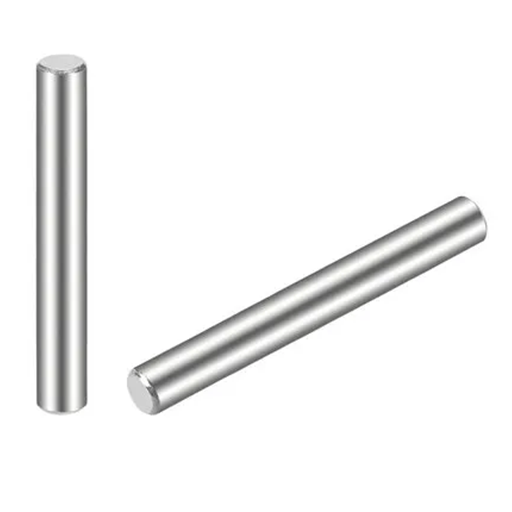
Jade Alloys is among the trusted titanium round bar suppliers, which offers high quality titanium round bar stock which can withstand pressure, and operate in very hostile operating conditions. The bars are also non magnetic and exceptionally corrosion resistant hence suitable in aerospace, marine and chemical purposes.
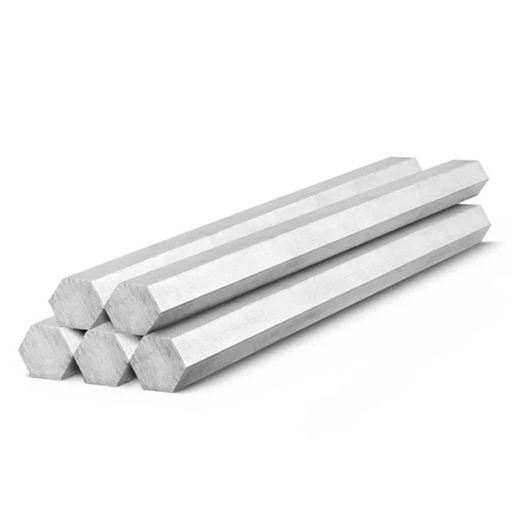
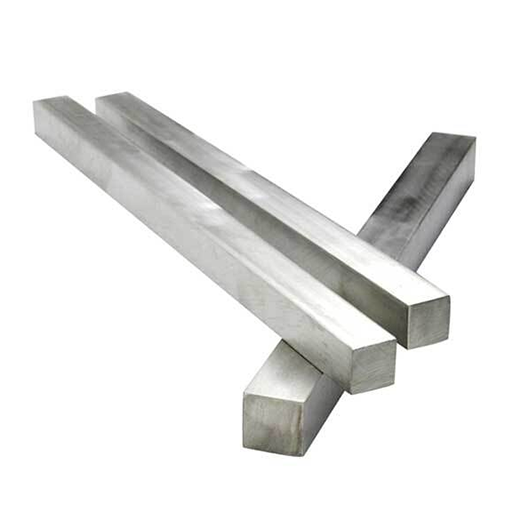
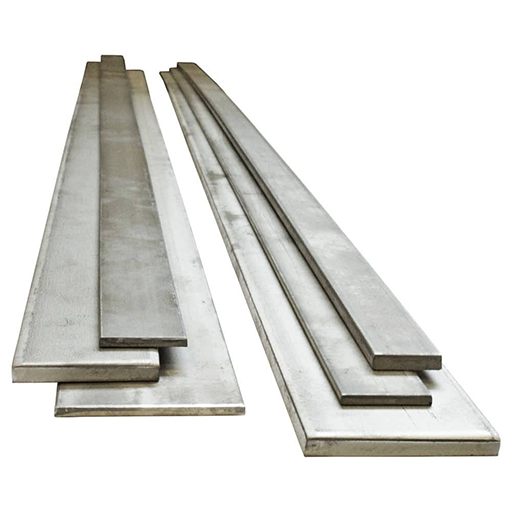
We have titanium round stock in various sizes and shapes to fit the various engineering needs. We have round bars, flat bars, hex bars, square bars and rectangular bars. Diameters are between 3 mm and 800 mm with a standard length of 1 to 6 meters. The surface finishes are black, bright polished, rough turned, matte, No.4 and BA finish. You could need a round rod made of titanium to machine components or simply a flat bar made of titanium to fabricate, whatever you need, we would be able to provide the finish and size to you.
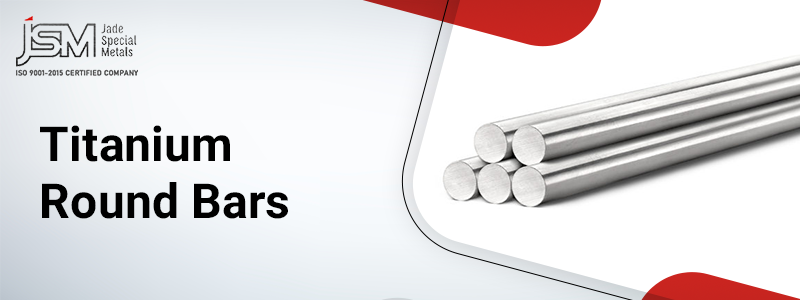
Titanium Bar | Titanium Rod | Titanium Bar Stock | Titanium Flat Bar | Titanium Round Bar | Titanium Alloy Bar | Titanium Hex Bar | Titanium Square Bar | Titanium Round Bar Suppliers
Titanium round bar is widely used in the aerospace, marine, medical, and chemical industries because of its excellent strength and corrosion resistance. Every titanium round bar supplied by Jade Alloys undergoes strict quality tests for strength, hardness, and surface finish to ensure reliable performance.
We manufacture and supply bars according to ASTM B348 and ASME SB348 standards, ensuring that every titanium alloy bar meets international quality requirements. As experienced titanium round bar suppliers, we package all materials carefully to prevent damage during transportation.
We maintain ready titanium round bar stock for quick delivery. Contact us today to check the latest titanium round bar price or explore our complete range of titanium bars for sale, including titanium square bars and titanium rectangular bars.
Looking to buy Alloy Steel Round Bars?
Check Alloy Steel F91 Round Bar & Alloy Steel F9 Round Bar Price List in India
Metal Weights Calculator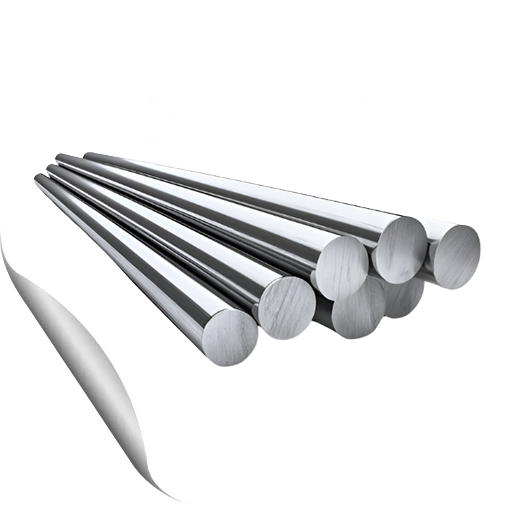
Titanium Alloys Round Bar Grades
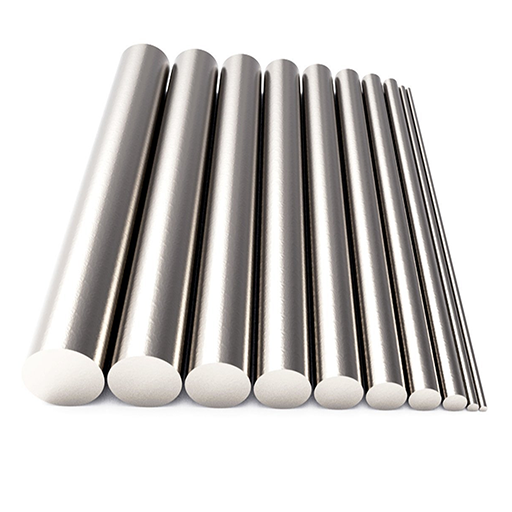
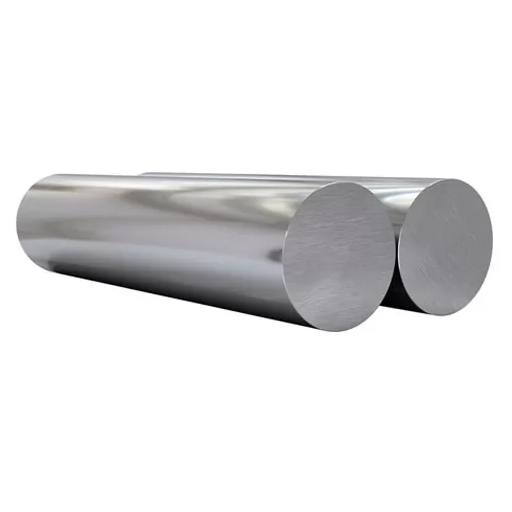
Advantages of Titanium Round Bar
- High Strength at Elevated Temperatures: Maintains mechanical properties even at extreme temperatures, making it ideal for aerospace and industrial applications.
- Excellent Corrosion Resistance: Titanium round bars resist seawater, acids, and aggressive chemicals, ensuring long service life in harsh environments.
- Good Fatigue Resistance: Capable of handling repeated cyclic loading, which makes titanium round rods suitable for dynamic structural applications.
- Good Fabricability: Titanium bars can be machined, welded, and formed using standard fabrication techniques.
Specification of Titanium Round Bar
| Standards | ASTM B348, B863 / ASME SB 348, SB 863 |
|---|---|
| Dimensions | EN, DIN, JIS, ASTM, BS, ASME, AISI |
| Wire | Thickness starting from 0.05mm |
| Round Bar Size | Diameter: 3–800mm |
| Hex Bar Size | 2–100mm A/F |
| Flat Bar Size | Thickness: 2–100mm / Width: 10–500mm |
| Square Bar Size | 4–100mm |
| Rectangular Bars Size | 33 × 30mm to 295 × 1066mm |
| Hollow Bar | 32mm OD × 16mm ID to 250mm OD × 200mm ID |
| Tolerance | H8, H9, H10, H11, H12, H13, K9–K12 or as per client requirements |
| Finish | Black, Bright Polished, Rough Turned, NO.4 Finish, Matt Finish, BA Finish |
Available Types of Titanium Round Bar
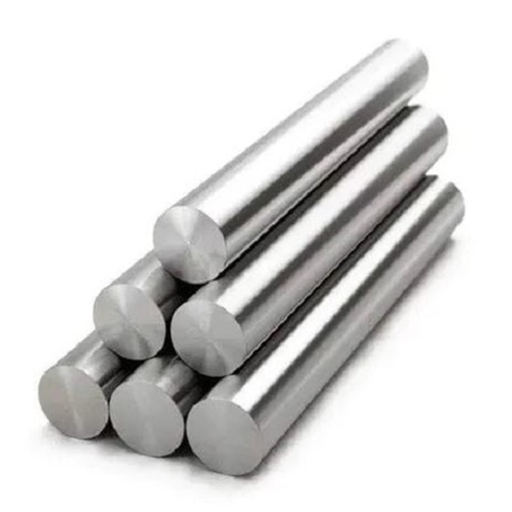
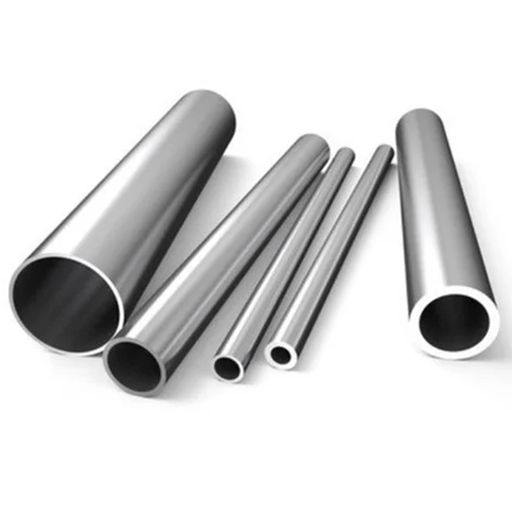
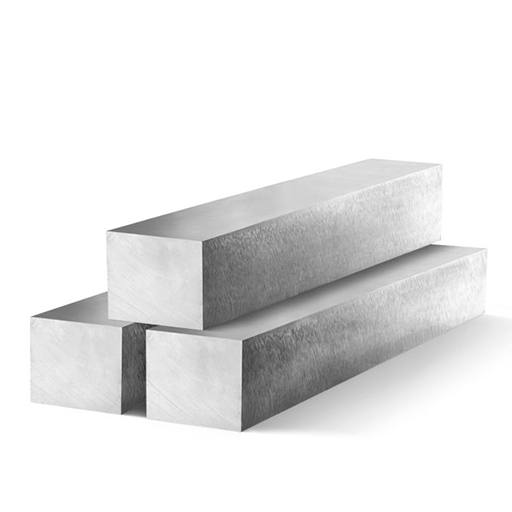
Titanium Round Bar Equivalent Grades
| Standard | Werkstoff Nr. | UNS |
|---|---|---|
| Titanium | 3.7035 | R50400 |
Chemical Composition of Titanium Round Bar
| Grade | C | N | O | H | Ti | Fe |
|---|---|---|---|---|---|---|
| Titanium | 0.10 max | 0.03 max | 0.25 max | 0.015 max | Bal | 0.30 max |
Titanium Round Bar Mechanical Properties
| Min. Tensile (KSI) | Min. Yield (KSI) | Hardness | Tensile Modulus | Poisson’s Ratio |
|---|---|---|---|---|
| 50 | 40 | 14.9 | 103 GPa | 0.34–0.10 |
Titanium Round Bar Sizes
| Size (in.) | WT/ft (lbs) | Size (in.) | WT/ft (lbs) |
|---|---|---|---|
| 5/16″ | 0.290 | 1-7/16″ | 6.100 |
| 9/16″ | 0.930 | 1-3/8″ | 5.625 |
| 7/16″ | 0.560 | 1-1/2″ | 6.625 |
| 13/16″ | 1.950 | 1-3/4″ | 9.030 |
| 1″ | 2.90 | 1-5/8″ | 7.800 |
| 15/16″ | 2.625 | 1-7/8″ | 10.400 |
| 1-1/16″ | 3.30 | 2-1/4″ | 14.920 |
| 1-1/4″ | 4.625 | 2″ | 11.80 |
| 1-1/8″ | 3.700 | 2-3/8″ | 16.920 |
| 1-5/16″ | 5.100 | 3″ | 26.53 |
| 3/16″ | 0.104 | 2-1/2″ | 18.42 |
Weight Per Unit of Titanium Round Bar
| Size | Kgs/Mtr | Size | Kgs/Mtr |
|---|---|---|---|
| 1″ | 3.0970 | 30 mm | 5.0548 |
| 24 mm | 3.0543 | 32 mm | 6.0314 |
| 20 mm | 2.0470 | 1 to 3/8″ | 7.0550 |
| 25 mm | 3.0871 | 35 mm | 7.0553 |
| 27 mm | 4.0490 | 36 mm | 7.0999 |
| 26 mm | 4.0170 | 7/8″ | 3.0038 |
| 1 to 1/8″ | 5.0033 | 38 mm | 8.0903 |
| 1 to 1/4″ | 6.0349 | 22 mm | 2.0979 |
Titanium Round Bar Documentation / Test Certificates
- Packing List
- MTC as per EN 10204 3.1 and EN 10204 3.2
- Heat Treatment Charts
- NACE MR0103, NACE MR0175
- Certificate of Origin
- Guarantee Letter
- Fumigation Certificates
- Laboratory Test Reports
- Material Traceability Records
- Quality Assurance Plan (QAP)
- Raw Material Test Reports
- Commercial Invoice
Titanium Grade Hardness Comparison
| Ti Grade | Hardness (Rockwell B) | Hardness (Vickers) | Hardness (Brinell) |
|---|---|---|---|
| Gr 5 | 95 to 105 | 350 to 400 | 330 to 400 |
| Gr 23 | 90 to 110 | 330 to 400 | 300 to 370 |
| Gr 2 | 70 to 85 | 130 to 180 | 160 to 200 |
| Gr 1 | 60 to 80 | 120 to 160 | 130 to 160 |
| Gr 9 | 90 to 105 | 270 to 330 | 250 to 350 |
| Gr 12 | 80 to 90 | 200 to 280 | 220 to 300 |
| Gr 7 | 85 to 105 | 250 to 350 | 230 to 330 |
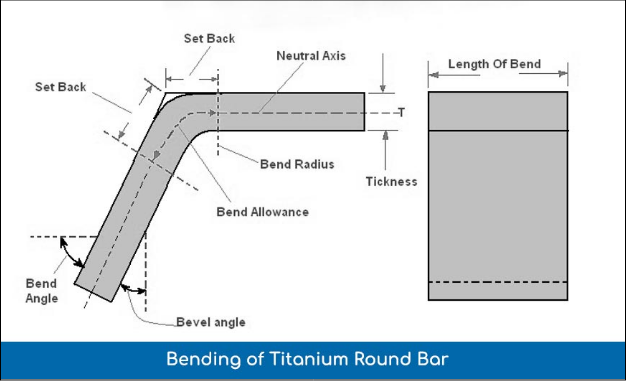
Bending of Titanium Round Bar
Titanium Round Bar HSN Code
| Product | HS Code |
|---|---|
| Titanium Bar | 81089090 |
Finishes of CP Titanium Polished Bar
| Code | Description |
|---|---|
| HF | Hot-finished |
| CG | Centreless-ground |
| SRE | Slit-rolled edge |
| BD | Bright-drawn |
| HRAP | Hot rolled annealed-pickled |
| CF | Cold-finished |
| P | Polished |
| CD | Cold-drawn |
| PR | Peeled-reeled |
| ST | Smooth turned |
| RT | Rough turned/peeled |
| P&T | Peeled-turned |
"H" Series ISO Tolerances of Titanium Round Rod (6Al-4V)
“H” Series ISO Tolerances (mm)
| Size | H10 | H5 | H6 | H8 | H11 | H12 | H9 | H7 |
|---|---|---|---|---|---|---|---|---|
| ~-3 | +0.04/0 | +0.004/0 | +0.006/0 | +0.014/0 | +0.06/0 | +0.1/0 | +0.025/0 | +0.01/0 |
| Over 3-6 | +0.048/0 | +0.005/0 | +0.008/0 | +0.018/0 | +0.075/0 | +0.12/0 | +0.03/0 | +0.012/0 |
| Over 6-10 | +0.058/0 | +0.006/0 | +0.009/0 | +0.022/0 | +0.09/0 | +0.15/0 | +0.036/0 | +0.015/0 |
| Over 10-18 | +0.07/0 | +0.008/0 | +0.011/0 | +0.027/0 | +0.11/0 | +0.18/0 | +0.043/0 | +0.018/0 |
| Over 18-30 | +0.084/0 | +0.009/0 | +0.013/0 | +0.033/0 | +0.13/0 | +0.21/0 | +0.052/0 | +0.021/0 |
| Over 30-50 | +0.1/0 | +0.011/0 | +0.016/0 | +0.039/0 | +0.16/0 | +0.25/0 | +0.062/0 | +0.025/0 |
| Over 50-80 | +0.12/0 | +0.013/0 | +0.019/0 | +0.046/0 | +0.19/0 | +0.3/0 | +0.074/0 | +0.03/0 |
| Over 80-120 | +0.14/0 | +0.015/0 | +0.022/0 | +0.054/0 | +0.22/0 | +0.35/0 | +0.087/0 | +0.035/0 |
| Over 120-180 | +0.16/0 | +0.018/0 | +0.025/0 | +0.063/0 | +0.25/0 | +0.4/0 | +0.1/0 | +0.04/0 |
| Over 180-250 | +0.185/0 | +0.02/0 | +0.029/0 | +0.072/0 | +0.29/0 | +0.46/0 | +0.115/0 | +0.046/0 |
Cold Drawn Titanium Round Bar Tolerance
| Shape | Size across flats | Permitted Variation |
|---|---|---|
| – | mm | mm |
| Round |
> 18 ≦ 30 > 80 ≦ 100 > 30 ≦ 50 > 50 ≦ 80 ≥6 ≦ 18 |
+ 0 to – 0.085 + 0 to – 0.140 + 0 to – 0.070 + 0 to – 0.120 + 0 to – 0.100 |
| Square and hexagon |
> 30 ≦ 50 > 50 ≦ 80 > 18 ≦ 30 ≥ 6 ≦ 18 > 80 ≦ 105 |
+ 0 to – 0.130 + 0 to – 0.110 + 0 to – 0.160 + 0 to – 0.250 + 0 to – 0.090 |
| Flat (thickness) |
> 50 ≦ 80 > 30 ≦ 50 > 18 ≦ 30 < 18 |
+ 0 to – 0.250 + 0 to – 0.130 + 0 to – 0.350 + 0 to – 0.110 |
| Flat (width) |
> 30 ≦ 50 > 160 ≦ 320 > 18 ≦ 30 < 18 > 100 ≦ 130 > 50 ≦ 80 > 80 ≦ 100 > 130 ≦ 160 |
+ 0 to – 0.190 + 0 to – 0.110 + 0 to – 0.220 + 1 to – 1 + 0 to – 0.130 + 0 to – 0.160 + 0 to – 0.350 + 0 to – 1 |
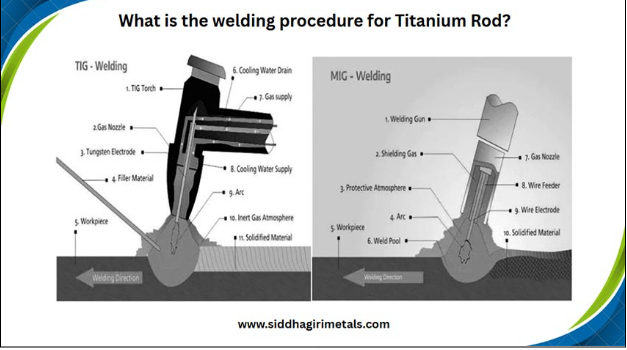
What is the welding procedure for Titanium Rod?
Application & Uses of Titanium Round Bar
- Aerospace Components: Airframe structures, engine parts, fasteners, and landing gear assemblies.
- Medical Implants: Orthopedic implants, surgical instruments, and dental fixtures due to excellent biocompatibility.
- Chemical Processing: Reactors, heat exchangers, and pipelines used for handling corrosive chemicals.
- Marine Applications: Propeller shafts, submarine components, and offshore platform hardware exposed to seawater.
- Automotive Parts: Connecting rods, valves, and exhaust systems used in high-performance vehicles.
- High-Performance Engineering: Precision machinery components, turbine blades, and advanced engineering systems.
Get the best quote on high-performance Titanium Alloys Round Bars and explore premium titanium round bar for sale —contact our experts today!
Explore Our Other Round Bar Materials
Frequently Asked Questions — Titanium Round Bar
Titanium round bars are manufactured according to ASTM B348 and ASME SB348 standards, ensuring consistent quality and performance for critical industrial applications.
We supply titanium round bar stock in diameters ranging from 3 mm to 800 mm, with standard lengths from 1 to 6 meters. Custom sizes are also available upon request.
The titanium round bar price depends on factors such as grade, size, finish, and quantity. Contact Jade Alloys to get a competitive quotation and current market pricing.
A titanium round rod is typically welded using TIG (GTAW) welding in an inert argon atmosphere to prevent oxidation. Pre-heating and post-weld heat treatment may be required for thicker sections.
Yes, titanium round bars can be bent using cold or hot forming processes. Due to titanium's high springback properties, specialized tooling may be required. Hot bending at 700–900°C is generally preferred for tight radii.